
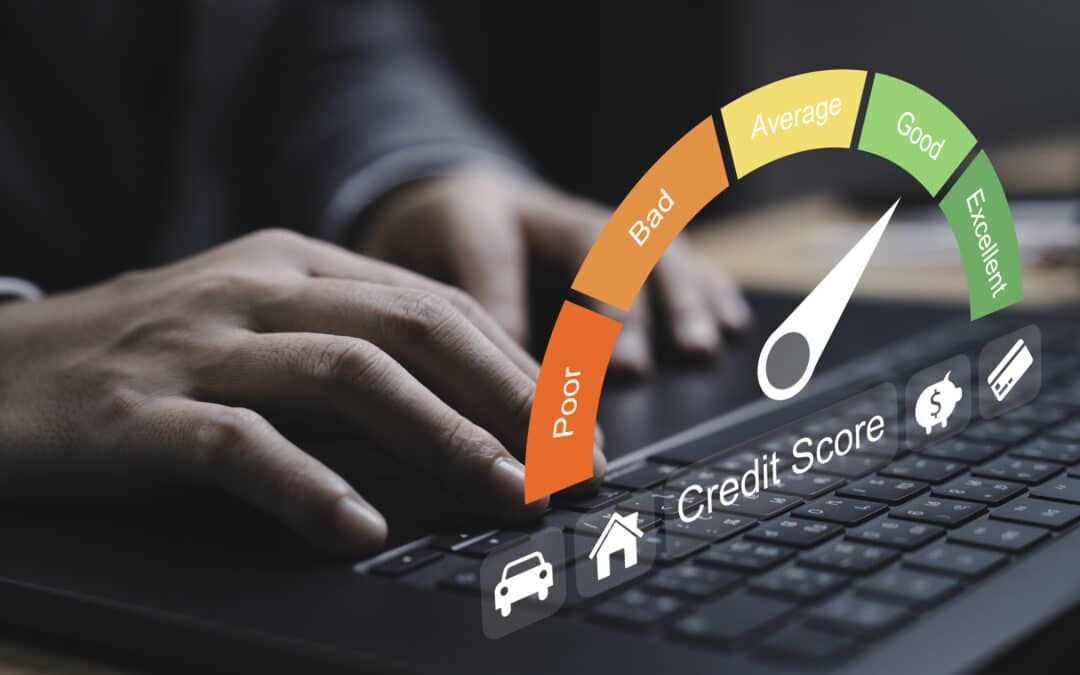
A credit score might seem like a mysterious three-digit number, but it holds significant influence over your financial life. Whether you’re applying for a loan or a credit card, renting an apartment, or even setting up utilities, your credit score plays a crucial role in the decisions that lenders, landlords, and service providers make. Your credit is a valuable asset, and credit score awareness can be a crucial piece in overall financial wellness and identity theft protection. This month, we want to remind your account holders of the importance of understanding credit scores and provide some tips on helping them improve and maintain a healthy credit score.
What Is a Credit Score?
Simply put, a credit score is like a grade for how good you are at managing money. It is one of the most important tools that lenders and financial institutions use to assess the risk of lending money to you. A higher credit score indicates a healthy credit history; therefore, a lower credit risk, making you more appealing to potential creditors.
Credit scores typically range from 300 to 850, with higher scores being better, indicating that you have consistently made payments on time to satisfy your credit obligations. While a “good” credit score varies based on the lender and the specifics of the loan request, it is typically around 700 or higher. Once your score is over 760, you may expect to be offered the best available rates.
Credit agencies refresh scores once a month, but the exact timing of those updates may vary based on a myriad of factors.
How Is a Credit Score Calculated?
You might be surprised to learn that you can have multiple different credit scores at the same time. Based on where the lender obtained their data (from one, two, or all three credit reporting agencies), the credit score model that is used, the lender’s own criteria for issuing credit, and the timing of when the score was produced.
A hypothetical scenario for calculating a credit score might weigh the following factors this way:
- Payment History (35%): This is the most important part. It’s like getting a gold star for paying bills on time. If you pay on time, your score goes up. If you miss payments, it goes down.
- Credit Utilization (30%): Imagine you have a money jar, and you use only a little bit of it. That’s good for your score. But if you use a lot of it, it’s not so good. This measures how much of your available credit you’re using.
- Length of Credit History (15%): The longer you’ve had credit (like a credit card or loan), the better. It’s like experience points. More experience means a higher score.
- Credit Mix (10%): Having different types of credit, like credit cards and loans, can be like having a diverse team. It’s good for your score, but you don’t need to have them all.
- New Credit (10%): Every time you apply for new credit, like a loan or a credit card, it can slightly lower your score. Too many applications at once can hurt your score.
Lenders will also look at other factors, such as your income, your assets, or how long you have been at your current job. Note that a high credit score isn’t the only sign of financial health.
An individual who chooses to use cash or debit cards for major purchases rather than taking out loans will likely have a lower credit score than someone with a long record of multiple well-managed debts, even though they may be very financially responsible.
Why Does Your Credit Score Matter?
- Getting Credit: When you need to borrow money, like for a credit card or a car loan, lenders look at your credit score. If it’s high, they’re more likely to say yes. Plus, you might get lower interest rates, which means you pay less in the long run.
- Interest Rates: A good credit score can mean lower interest rates on loans and credit cards. Lower interest rates save you money.
- Renting a Home: Landlords often check your credit score when you apply to rent an apartment. A good score can help you get the place you want.
- Utility Bills: Some companies might look at your credit score before deciding if you need to pay a deposit for things like electricity and water.
- Job Opportunities: Some jobs, especially those handling money, check your credit as part of the hiring process. A good credit score can make you more attractive to employers.
Work to Improve Your Credit Score Using These Tips
- Pay Bills on Time: Make sure you pay your bills by their due dates. Set up reminders or automatic payments to help you stay on track.
- Manage Credit Cards Wisely: Keep your credit card balances low compared to your credit limits. Aim to use less than 30% of your available credit. Pay off your credit card bills in full whenever you can.
- Mix Different Types of Credit: Having different types of credit, like credit cards, loans, and mortgages, can boost your score. Only open new credit when you really need it.
- Don’t Close Old Accounts: The longer you’ve had credit, the better. So, avoid closing old credit card accounts, especially if they have high credit limits.
- Deal with Problems: If you have late payments or debts in collections on your credit report, work on fixing them.
- Ask for a Credit Limit Increase: If you’ve been good at paying your credit card bills, consider asking for a higher credit limit.
- Be Careful with New Credit: Too many applications or new accounts in a short time can hurt your score.
- Check Your Credit Report Regularly: Dispute any errors you find and keep copies of all documentation.
- Stay Alert for Identity Theft: Monitor your credit report for suspicious activity and act quickly if needed.
Build a Credit Score Without Debt
Here are a couple of ways that you can build your credit score without debt:
- Apply for a credit-builder loan, which places the money you borrow into a certificate of deposit (CD) or savings account that you can claim after making 12 monthly payments.
- Apply for a secured credit card, which gives you a line of credit that is backed by a cash deposit.
With a Better Credit Score, Be Proactive to Save Money
Once you’ve put in the work to get your credit score above 700, you can turn your attention to becoming more financially fit. Investigate whether refinancing your mortgage at a lower rate could save you money, while being mindful of closing costs or other fees.
At renewal time, ask your auto and home insurance provider to rerun your rates, and consider shopping around with other insurers. Lenders, landlords, and insurers want to do business with people with excellent credit, so they will be competing for your business and offering you better deals.